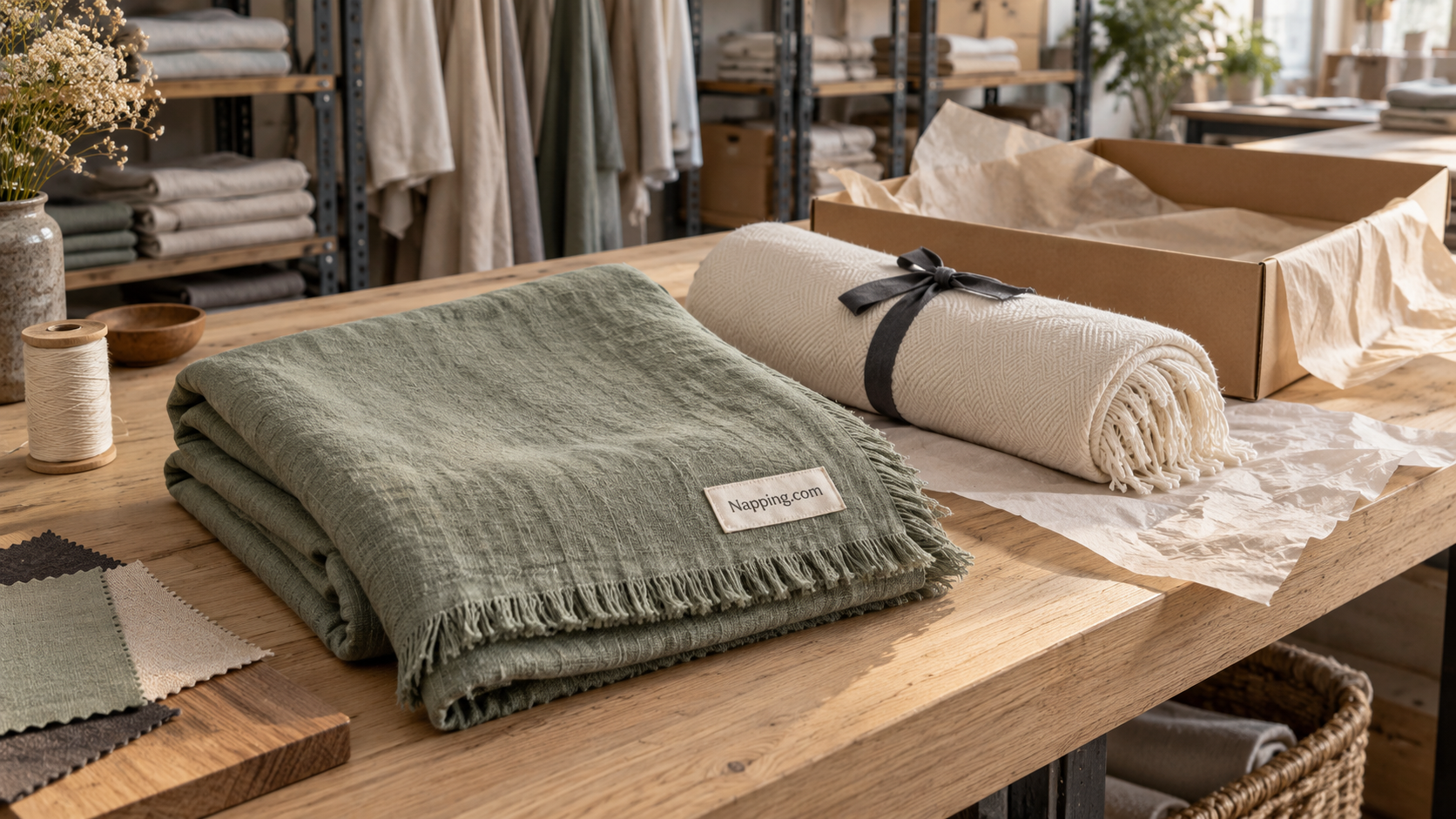
A rest brand can sound warm without promising a new life. The easiest place to begin is the thing being offered: a room, a timer, a blanket or a place to sit quietly. Describe it clearly enough that a person can decide whether it belongs in their day. The atmosphere can come through the choice of details. A lamp beside a chair says more about an experience than a paragraph about unlocking a better version of the customer.
Vague language often appears where a practical detail is missing. A page says a room is restorative because it has not explained the session, the furniture or the arrival. A product promises elevated comfort because its dimensions and fabric are hard to find. The writing improves when the underlying information is gathered. Voice then becomes a way of presenting useful facts, rather than a layer of adjectives placed over an offer that remains difficult to understand.
Name the object before the feeling
Start a description with what someone can book, buy or use. A daytime room available in short sessions is a clearer opening than a sanctuary for modern living. A washable cotton throw is more informative than an essential for intentional moments, assuming cotton and washable are accurate. Once the reader knows the object, the next sentence can describe the experience or the design choice that makes it distinctive. The order helps the language stay grounded.
This does not mean every sentence must read like a technical specification. A room can be described through the light at the window or a shelf beside the chair. A garment can have a loose sleeve or a soft inner surface. Specific details carry tone because they invite a person to picture something. Choose the details that would matter during use, and make sure they belong to the actual offer rather than only to the styled photograph.
Make the promise small enough to understand
A promise such as a quiet room for twenty minutes is concrete, though the operator still has to deliver it. A promise of complete renewal is harder to interpret and much harder to support. Ask what a customer would reasonably expect after reading the sentence. If several very different outcomes could fit, the wording may be too broad. Bring it back to the part the business controls: the room, the timer, the fabric, the booking or the service.
Keep personal outcomes separate from product characteristics. An eye mask can have an adjustable strap and a particular construction. That does not automatically establish a claim about how someone will sleep. A rest app can provide a timer and audio without claiming to change concentration. The description can remain appealing while respecting that distinction. A customer often needs practical confidence in the purchase more than a sweeping account of how it might alter the afternoon.
Let instructions sound like a person
Instructions benefit from short sentences and a clear sequence. Tell the guest where to arrive, what to bring and how the session ends. Tell the app user what the start button does and how to stop early. Avoid making routine actions sound ceremonial. A person reading a confirmation email may be walking to the location or checking a phone between tasks. The useful voice is the one that answers the question at that moment without adding a performance around it.
Read the instructions aloud. Notice where a phrase takes more breath than the action it describes. Replace indirect wording with a direct verb when possible. Please proceed to initiate your session can become start your session. Keep courtesy where it helps, but do not bury the action under a formal introduction. Clear language can feel considerate because it respects the reader's attention, especially when the product itself is intended to provide a break from demands.
Use a few details consistently
Choose a small vocabulary that matches the offer. A lounge might use room, visit, booking and quiet. A goods brand might use throw, fabric, fold and wash. The words do not need to be exclusive to the brand. Their consistency helps a reader understand the product across the page, confirmation and packaging. Changing a room into a retreat, pod and sanctuary in different places can make the same offer seem like several different things.
Consistency also matters for duration and inclusions. If the page calls it a twenty-minute visit, the confirmation should not call it half an hour unless there is a clear explanation. If a set includes two objects, name both wherever the contents are listed. These are editorial decisions as much as operational ones. A calm voice loses credibility when the practical information changes between screens, even if every individual sentence sounds polished.
Write error messages with the same care
A booking conflict is a useful test of tone. State what happened and what the person can do next. That time is no longer available; choose another slot gives a clear path. A playful message about the universe needing a pause may leave the user uncertain whether the booking worked. The tone can remain kind without disguising the problem. At moments of friction, accuracy should carry more weight than the desire to sound distinctive.
The same principle applies to a cancelled order or unavailable item. Explain the current state, the relevant timing and the next action. Use only details that are known. If a reply is needed, say how to provide it. Avoid turning an inconvenience into a lesson about patience or rest. The customer is trying to resolve a practical problem. A brand earns a human voice by taking that problem seriously and speaking plainly about what happens next.
Edit claims and remove borrowed grandeur
Review the most prominent sentences on the site. Look for words that could appear on almost any wellness product: transformative, ultimate, elevated or life-changing. Ask what concrete information would remain if the adjective disappeared. If the sentence has no useful content left, rewrite it around the product. An accurate statement about a removable cover or an optional sound is more distinctive than another broad claim that cannot be checked from the page.
Review metaphors too. One image can make a line memorable, but several competing images can obscure the subject. A blanket does not need to be a journey, a sanctuary and a new chapter in the same paragraph. Let the object remain visible. The visual design may already provide plenty of atmosphere, so the prose can do the quieter work of explaining size, use and care. The two parts of the page do not have to compete for attention.
Test the copy with ordinary questions
After editing, ask someone to read the page and explain the offer back. What is being sold? What is included? How long does it take? What would they still need to know before deciding? Their questions can reveal missing information that a tone review would overlook. Do not ask only whether the copy feels calm. A page can feel calm and still leave the reader unable to tell what the button will do.
For a brand under Napping.com, the name already establishes the broad subject. The copy can use that advantage to become more specific sooner. Describe the room, show the timer or explain the fabric. Keep the promises close to what the business provides and the instructions close to what the customer needs next. A human voice emerges from that attention: recognisable words, concrete details and enough restraint to let an ordinary useful thing be worth choosing.
Ask about Napping.com
Describe the business this name could become. Purchase interest and partnership proposals are welcome.
Send Inquiry