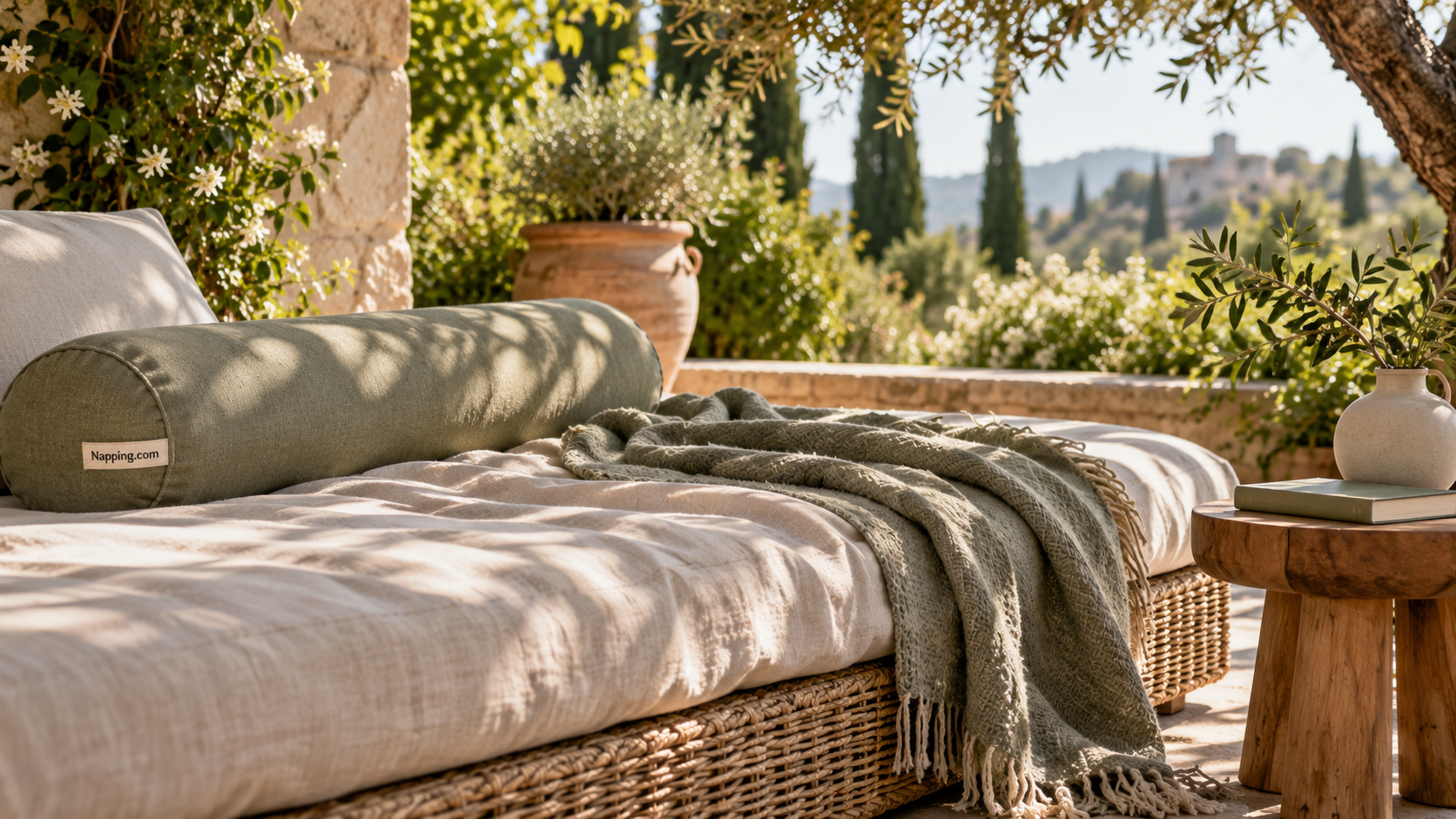
A daytime nap lounge could give Napping.com a physical home: a small place where a guest books a quiet room for a brief rest. Picture an entrance that is easy to find, a reception desk that keeps the welcome short and a room that looks like its photograph. This is an illustrative hospitality concept. Its appeal would depend on the experience an operator can actually provide, from the booking page to the moment a guest collects a coat and leaves.
Start with the visit
Define one visit before designing a membership. A guest needs to know how long the booking lasts, how much of that time is available in the room and whether arrival or changing takes additional time. A twenty-minute room booking and a twenty-minute rest are different offers if check-in consumes part of the slot. Put the distinction on the booking page. The customer should be able to compare the visit with the time available between other commitments.
Choose a first audience with a specific reason to be nearby. A person between appointments has different needs from someone taking a lunch break close to work. The opening hours, storage and arrival instructions should follow that choice. An operator might begin with daytime bookings only and a limited set of room options. That makes the first offer easier to describe, and gives staff fewer variations to manage while learning what guests actually ask for.
Make arrival feel familiar
The welcome can be warm without becoming a long conversation. A clear sign, a visible booking reference and a short explanation of the room may be enough. Guests should know where to put shoes and bags, how to adjust the light and how the session ends. If there is a timer or a knock at the door, explain it before the guest settles in. A quiet environment becomes less inviting when a visitor has to guess how things work.
Privacy deserves concrete treatment. Explain whether the room is fully enclosed, how staff enter in an emergency and whether any internal windows are screened. Avoid using vague language such as total privacy when the room design does not support it. Show the door, the storage and the usable space in photographs. Someone deciding whether to visit may find those details more useful than an atmospheric close-up of a pillow or a cup of tea.
Design the room around reset
Furniture should suit both the guest and the person preparing the room for the next booking. Removable covers, accessible surfaces and a place for used linens belong in the initial plan. A beautiful chair that is difficult to clean can create problems between visits. Draw the reset sequence alongside the guest journey: collect, inspect, clean, replace and check. Leave enough time in the booking schedule to carry out the sequence consistently without rushing a departing guest.
Keep the first room specification modest. A comfortable resting surface, controllable lighting, a stable place for belongings and clear instructions are a useful beginning. Additional scents, music or elaborate controls introduce preferences that may not be shared. Offer optional features only when they can be managed reliably. The room should remain pleasant when those features are turned off. Quiet can be part of the offer without requiring every guest to enjoy the same soundtrack.
Describe what is included
A booking page should state the price, session length, linen provision, access arrangements and cancellation terms in plain language. If drinks are sold separately, say so. If the lounge has steps or a narrow doorway, make that information easy to find before a customer travels. Accurate access details are part of describing the place. A prospective guest should not have to send a private message to discover a basic fact that affects whether the visit is suitable.
Photographs should follow the same rule. Show the room as it will be presented at the booked time, with the actual furniture and amount of space. A wide lens can make a small room feel larger than it is, so pair images with dimensions where useful. The name Napping.com can introduce the subject; the listing must make the specific location understandable. An honest picture is a better foundation for repeat visits than a carefully hidden compromise.
Learn from a small opening
A limited opening schedule could give the operator room to observe the details. Record common questions, late arrivals, reset time and items guests struggle to locate. Those notes can lead to small corrections: a clearer sign, a shelf near the door or a better explanation in the confirmation email. Ask about the visit itself rather than asking guests to endorse broad claims about wellbeing. The operator needs information that can change the service in a practical way.
Memberships and packages can wait until the single visit works. A returning guest may appreciate a simple multi-visit option, but complicated credits can make a calm service feel like an accounting task. State expiry dates and booking limits clearly if packages are introduced. Keep the ordinary one-off visit available as a reference point. The customer should be able to understand the value of a package without building a spreadsheet or calling reception for an explanation.
The name above the door
Napping.com could connect the sign, the booking page and the confirmation email under one recognisable address. A short descriptor such as daytime rest rooms would explain the initial offer. The brand could expand to another location later, but the first location should be described on its own terms. There is no need to imply a network before one exists. A well-run room with a clear promise is a complete starting concept.
The domain is available for acquisition. A prospective lounge operator can use the inquiry form to describe the intended location type, guest and first offer. These concept notes do not include premises, staff, bookings or an operating business. They show one possible use of a familiar name. The next owner would bring the hospitality experience and the practical decisions that turn a place on a screen into a place someone can visit.
Ask about Napping.com
Describe the business this name could become. Purchase interest and partnership proposals are welcome.
Send Inquiry