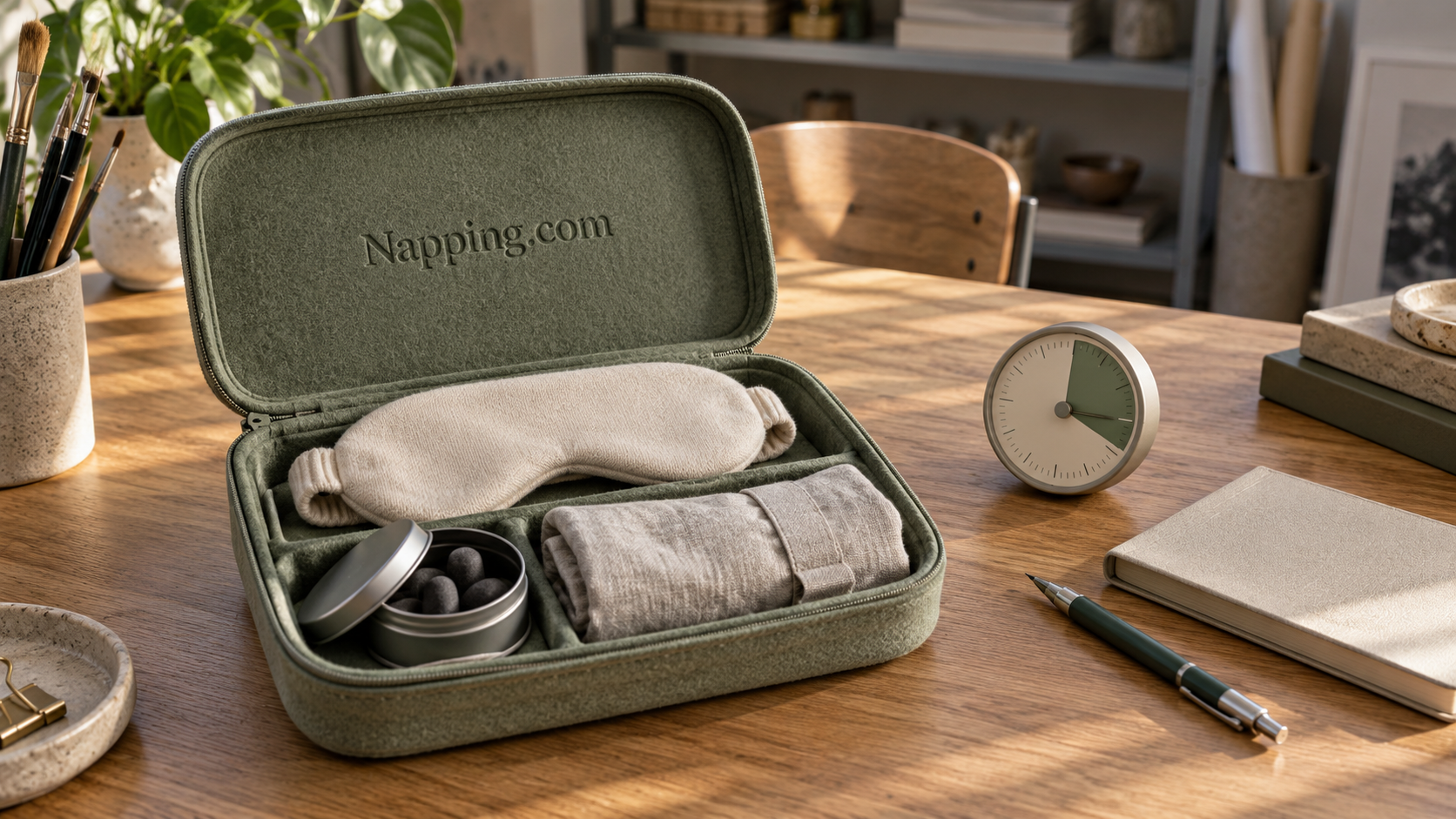
Napping.com could become a home for practical goods used during a brief rest: a washable throw, a soft eye mask, relaxed clothing or a small travel pouch. A focused collection would give the name something tangible. Picture one blanket with accurate dimensions, clear care instructions and photographs that show its texture in ordinary light. This is a possible consumer brand direction, with the product development and fulfilment still belonging to a future owner.
Begin with one useful object
Choose the first product by the situation it serves. A throw kept on a sofa has different requirements from one carried in a work bag. Decide where the item will live, how often it will be washed and how much space it can occupy when folded. Those decisions lead to a more useful specification than beginning with a long list of fashionable materials. The customer should be able to recognise the intended use from the product page.
For a blanket, state the unfolded dimensions and show it beside familiar furniture. Include the folded size if portability is part of the offer. Describe the weight and fabric composition using the actual product specification. A photograph can suggest softness, but it cannot tell a buyer whether the blanket will cover their feet or fit in a drawer. These ordinary details help a customer choose without relying on a broad promise of comfort.
Put care beside the purchase
Care information belongs near the price and size, where it can affect the decision. Explain the washing method, drying requirements and any expected changes after washing, based on what has been established for the product. A beautiful object that needs care a customer cannot manage may be the wrong purchase for that household. Clear instructions give the buyer a fair chance to decide before the package arrives.
Test the sample as an everyday item. Fold it, store it, wash it according to the proposed instructions and inspect the seams and label. Photograph the actual production version once it is available. If the final fabric differs from an early sample, update the images and description. A calm visual identity is useful, but the product page must remain an accurate description of what will be sent. Consistency between the page and the parcel is part of the experience.
Build a small, coherent collection
A second product should have a reason to sit beside the first. An eye mask might suit a portable rest kit, while a cushion cover could belong to a home collection. Avoid adding unrelated items just to make the shop look full. A small range can be easy to understand when each object has a clear use. The name Napping provides a common subject; the collection still needs thoughtful choices about what belongs together.
Colour can provide continuity without requiring every item to match exactly. Show combinations in photographs, then provide individual images for each available option. Name colours plainly and describe any noticeable texture or variation. Someone replacing an item later may need to know whether the new batch will look the same. If variation is part of the material, explain it. That is more useful than treating every difference as a poetic feature.
Make a travel kit earn its space
A travel version should be considered as a packed object, not only as a styled arrangement. Measure the full pouch, including closures, and show how the contents fit inside. Explain what is included in the set and what appears only as a prop. If the items can be purchased individually, link to them. A buyer may already own one part and want the rest, or may need a replacement after a trip.
Keep the kit easy to unpack and repack. A pouch that only closes when the blanket is folded perfectly can become an annoyance away from home. Include a simple folding guide if it helps, but avoid turning storage into a complicated ritual. The product should fit the practical limits of a bag, a shelf or a seat. The quieter visual story works best when the object is equally straightforward to live with.
Sell the object, describe the feeling carefully
The language can be warm while staying close to the product. Describe a brushed surface, a roomy cut or a pouch that slips into a tote when those details are accurate. Let the customer decide what the object means in their own day. There is no need to claim that a blanket changes productivity or that an eye mask creates a particular sleep outcome. The useful characteristics are enough to build an honest description.
Customer photographs and reviews, if collected later, should represent actual purchases and uses. Until then, rely on product images and clear specifications rather than invented testimonials. A new collection can say it is new. It can also explain what informed the design, provided that account is true. A small brand does not need a fictional history to make a well-described object worth considering. The first customers deserve a clear picture of what exists today.
The name on the label
Napping.com could appear discreetly on a woven label, packaging insert and order confirmation. The domain would connect the object back to care information and any future additions to the collection. A useful insert might show washing instructions and a direct address for product support. Packaging can be restrained if the information is complete and the object arrives protected. The brand should still make sense after the wrapping has been discarded.
The acquisition conversation can begin with a short description of the proposed goods and the customer they would serve. No stock, manufacturing relationship or retail partnership is included in this concept. The future owner would choose those arrangements and establish the product details. Napping.com offers a familiar name for the collection, with enough room to expand gradually while keeping short daytime rest as the central subject.
Ask about Napping.com
Describe the business this name could become. Purchase interest and partnership proposals are welcome.
Send Inquiry